
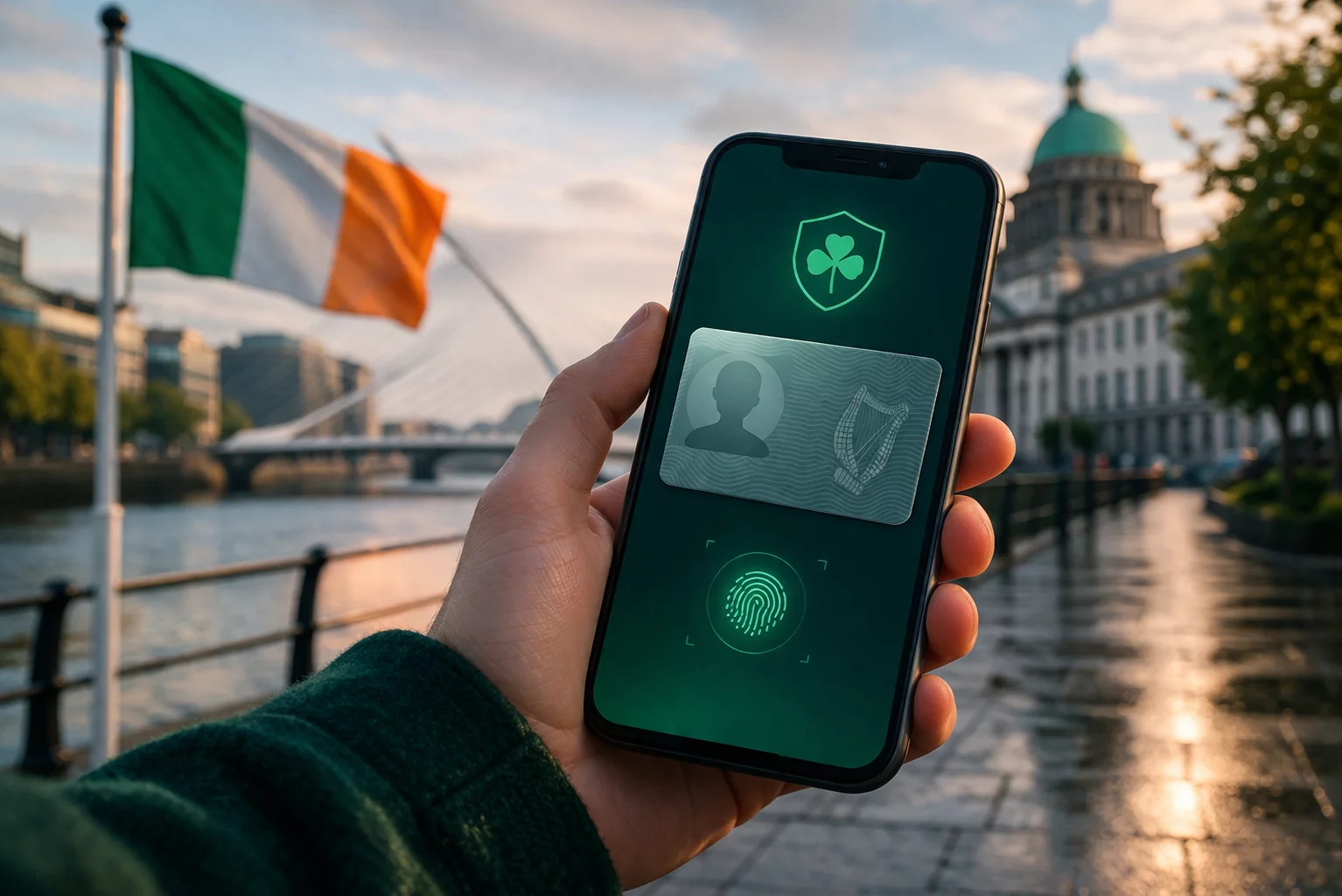

On April 4, 2024, the Irish government officially initiated a trial for a state-backed digital wallet featuring advanced age verification capabilities. This pilot program represents a significant move toward digital transformation within the European Union, specifically targeting the improvement of online safety for minors. By allowing citizens to store and present official credentials digitally, Ireland aims to streamline administrative processes while maintaining high standards of data privacy and security.
Functionality and Document Storage
The new digital wallet is designed to act as a secure repository for various electronic identity documents. According to reports from Bloomberg, the application can store digital versions of essential records, including:
- Birth certificates for age-restricted service access.
- Driver’s licenses for identity verification.
- Other government-issued official documents.
This technological shift aligns with the broader EUDI (European Digital Identity) framework, which seeks to provide a harmonized identity solution across all member states. By leveraging cryptographic proofs, these wallets ensure that the information shared is authentic and has not been tampered with since issuance by the state authority.
EU Mandates and Regional Implementation
While the Irish trial is a localized initiative, it is part of a larger legislative push across Europe. Under current regulations, all EU member states are mandated to establish and offer functional digital wallets to their citizens by the end of 2026. While the overarching requirement is centralized, the specific technical implementation, the underlying blockchain or centralized database infrastructure, and the specific use cases are left to the discretion of each individual nation.
The digital wallet can store electronic versions of birth certificates, driver's licenses, and other official documents, allowing for a more seamless interaction between citizens and state services.
The Irish pilot serves as a critical testing ground for how self-sovereign identity (SSI) principles might be applied at scale. As the trial progresses, the government will evaluate the effectiveness of the age verification features in preventing minors from accessing restricted digital content, a move that reflects growing global concerns regarding internet safety and data sovereignty. This initiative marks a definitive step toward a standardized digital identity ecosystem within the eurozone.
Frequently Asked Questions
Quick answers to the most common questions about this topic.

For educational purposes only. Nothing here constitutes financial or investment advice. Crypto markets are highly volatile — always DYOR before making any decisions.
Fact-checked per our editorial policy. We maintain strict independence from advertisers. Spot an error? Let us know.